

 Home
Home


 Via Nova, 38 - 52031 Anghiari (AR)


In the artistic heart of Anghiari
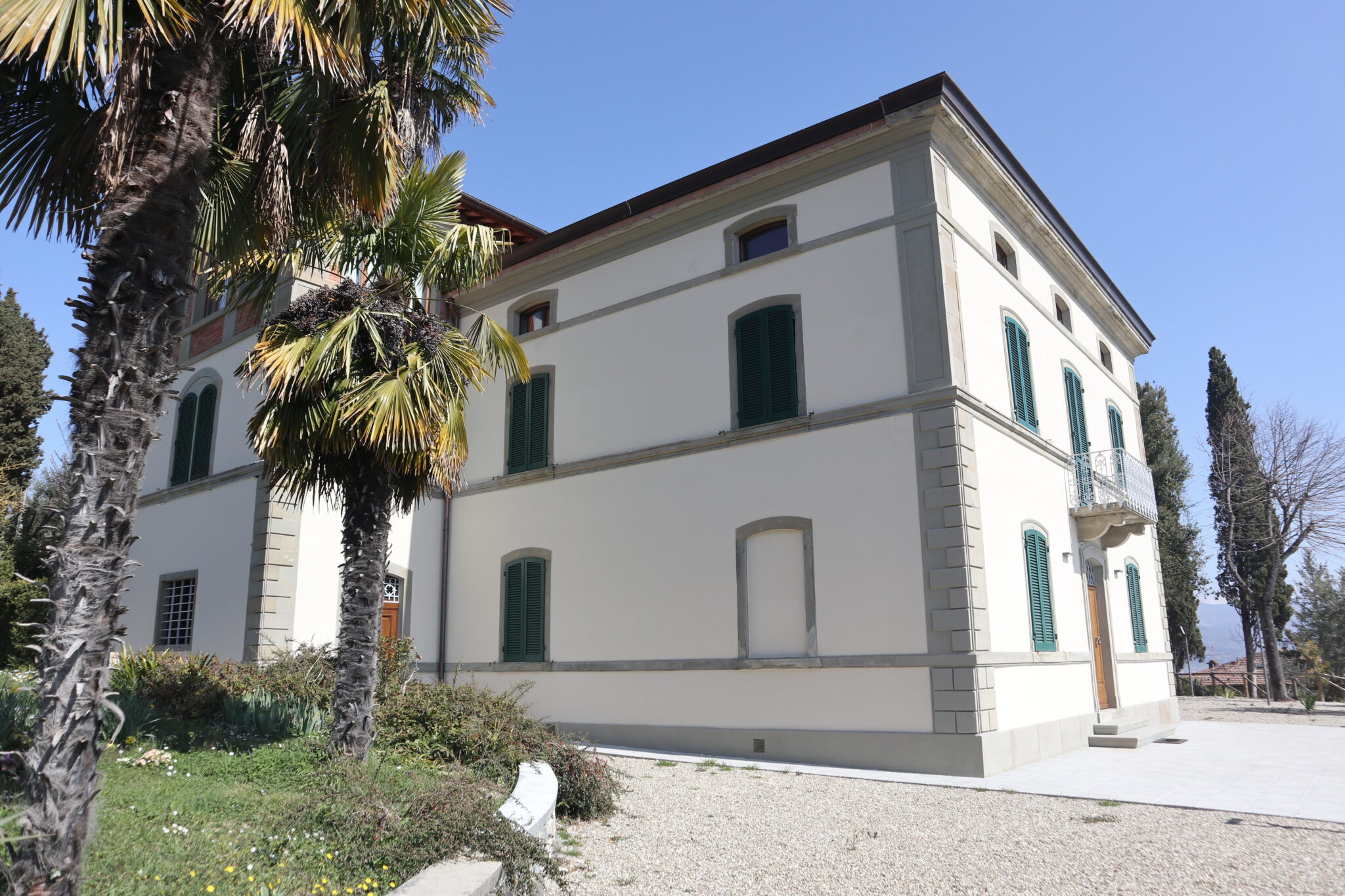
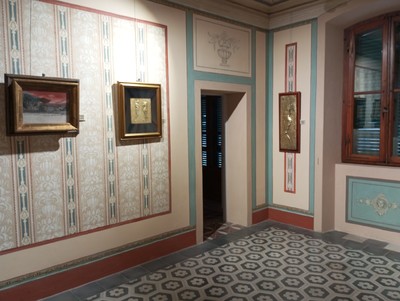
Immerse yourself in art with over 150 works by Pietro Annigoni, on display in the evocative rooms of the recently restored Villa Gennaioli in Anghiari. Experience a unique journey through masterpieces that bear witness to the skill and passion of this great artistDiscover the history and mission of the Pietro Annigoni Museum, a venue dedicated to promoting the art and legacy of the master, established thanks to the bequest of Rosa Segreto Annigoni
Villa Gennaioli: a journey through Pietro Annigoni’s creativity
.jpg)
Room 1, Ground Floor: Annigoni and his world
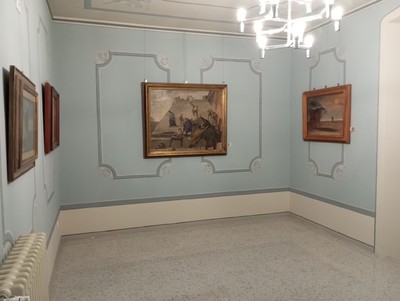
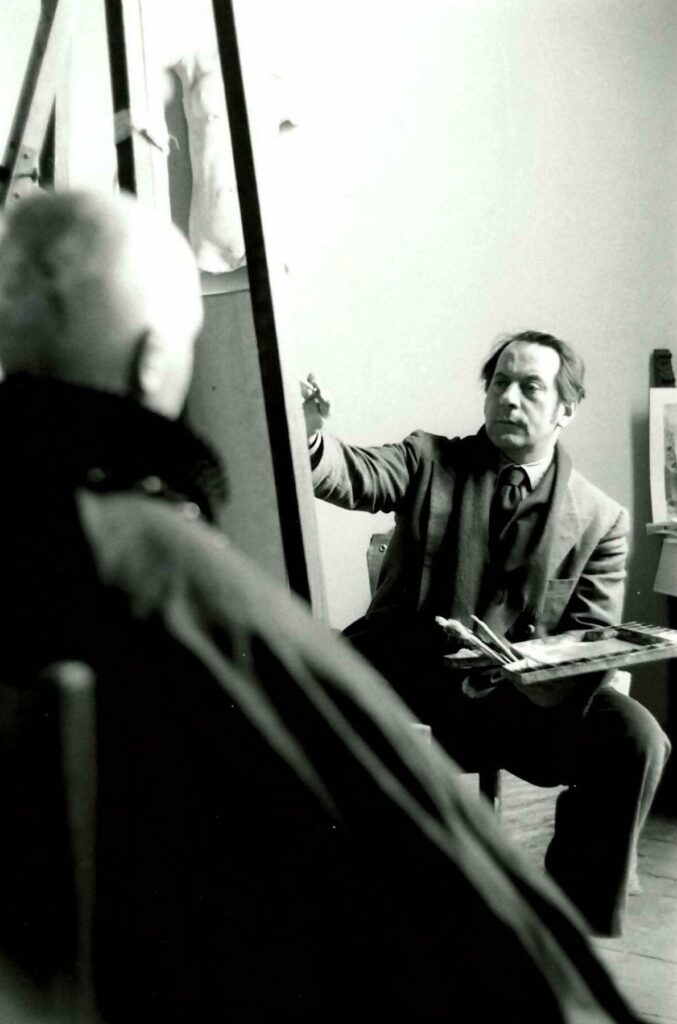
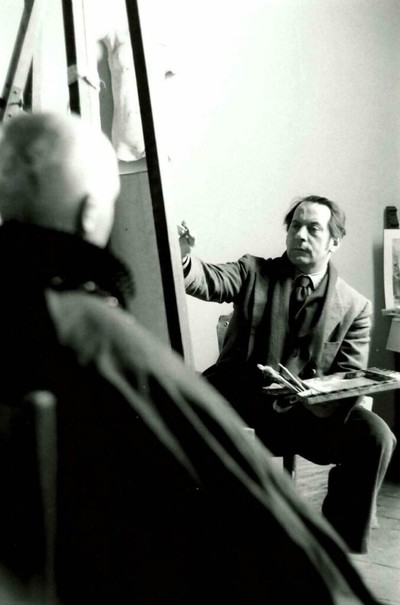
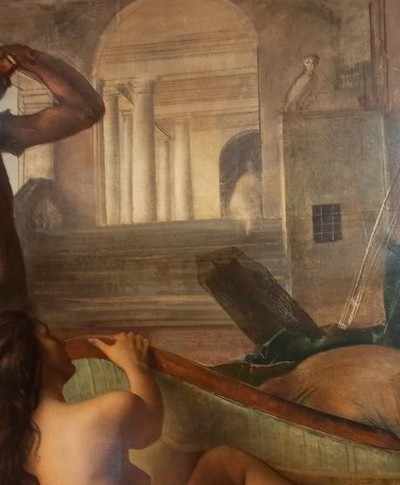
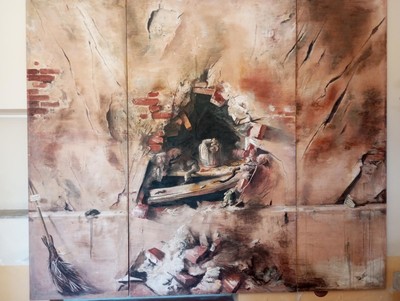
The first room introduces visitors to Annigoni’s world: his family, his studio, his friends, Surrounding ‘Once Upon a Time, Palladio’ – the large oil on tempera painting from 1971 that the Master considered his finest work – are portraits of his parents, among the first he produced in pencil in the 1930s (his father’s in 1931, his mother’s in 1935), the 1948 ‘Interior of the Studio’, alongside the 1931 portrait of his loyal childhood friend Renzo Simi; the 1932 oil painting ‘The Brawl’, which recalls the Master’s youthful and impetuous period; and four marvellous self-portraits spanning the years from 1945 to 1985
Room 2, Ground Floor: A Tribute to Rossella
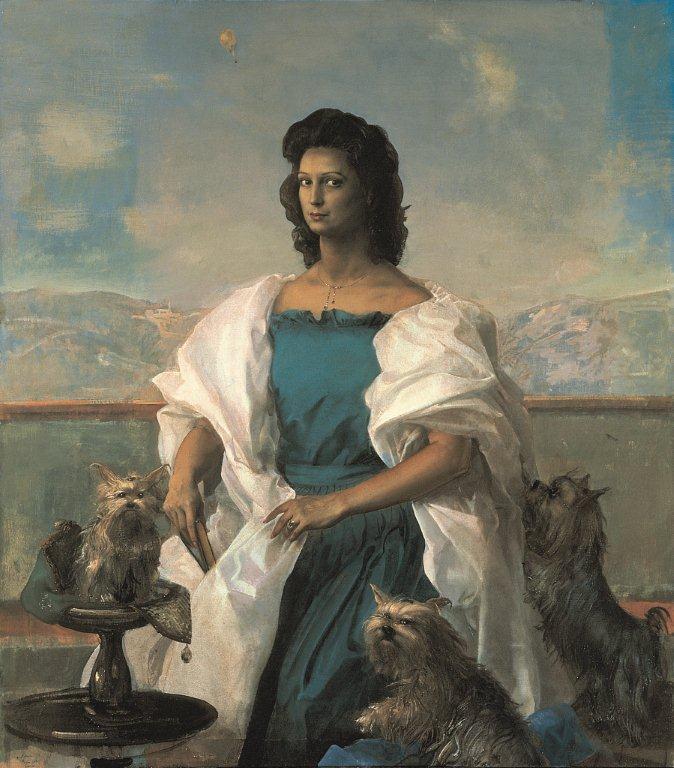
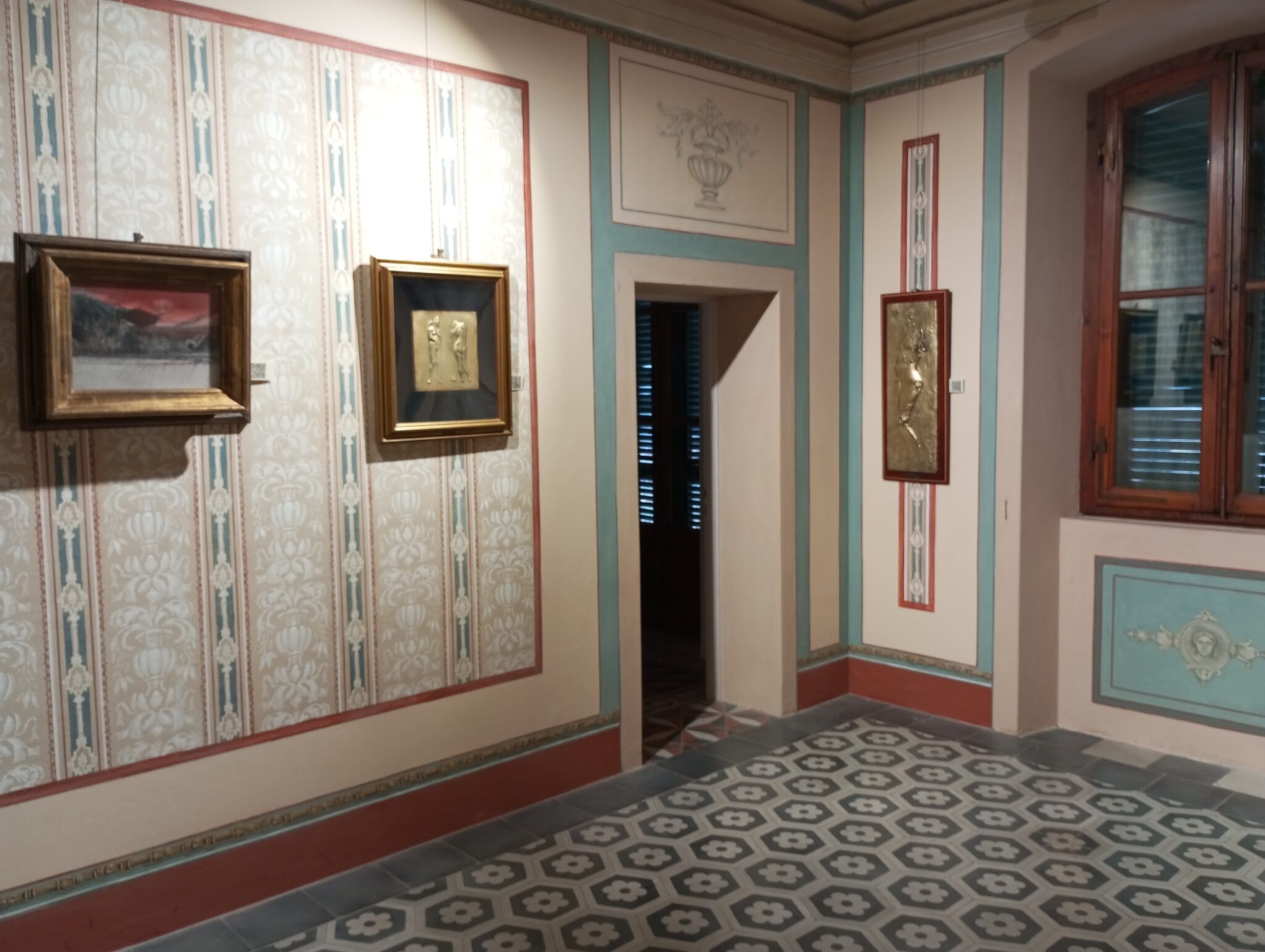
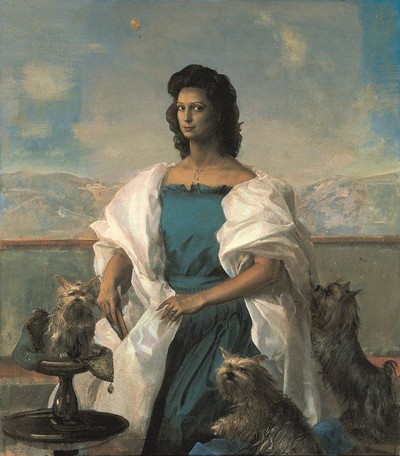
This room is dedicated to Mrs Rossella (Rosa Segreto), whose bequest enabled the museum to be established, and to her love story with Pietro Annigoni, her husband. On display here are the large oil portrait of Rossella from 1983 (accompanied by two preparatory drawings), other portraits in both tempera and mixed media, such as the beautiful one from 1969, the small panel ‘Rossella painting in Abano’; a bronze bust from 1977 and a medallion from 1978–79 (Annigoni was also a sculptor), two lithographs on gold leaf, and two watercolour ink paintings, ‘Vita beata’ and ‘Invecchiare insieme’ from 1970, significantly dedicated to Rossella in gratitude for the love and serenity she bestowed upon the Maestro
Room 3, Ground Floor: A touch of irony
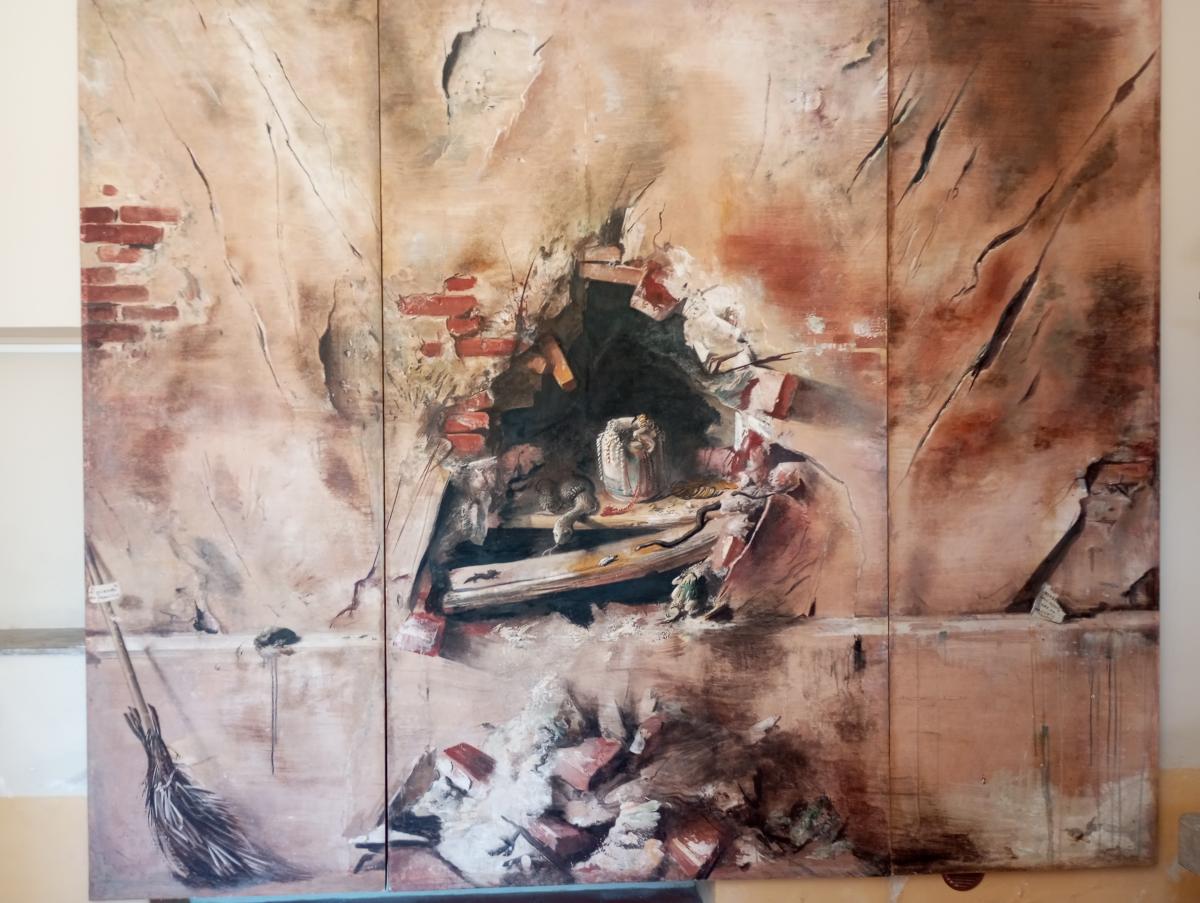
Irony, both biting and intelligent, was one facet of the painter’s multifaceted character. In this room, which was the villa’s kitchen, there are two large detached frescoes from the Gagnoni house in Stia, namely: ‘The Nightmare of the Guest Who Had Eaten Too Much’ (290×344 cm) and ‘I’ll Be Back in a Moment or The Witches’ (270×116 cm), flanked by ‘The Friars’ Banquet’ (an early work from the 1930s) and, to round it off, continuing the playful humour of the drawings featuring pigs feasting
Room 4, Ground Floor: Portraits
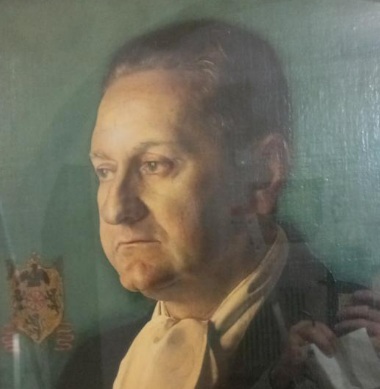
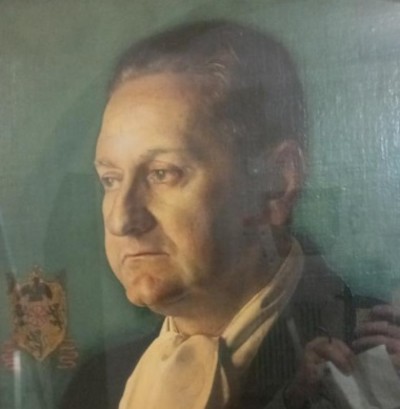
Annigoni is unanimously regarded as the greatest portraitist of the 20th century. In the room dedicated to portraits, the oil tempera works ‘Count Curzio Ugurgeri della Berardenga’ (1949) and ‘The Old Lady’ (1965) stand out. Notable for its technical mastery is the portrait of the pianist Nucci (pencil and ink on paper, 1933); the red chalk drawing ‘The Tutor’; and ‘Ugo Foscolo’, a mixed-media work on panel. As can be seen in this room, the artist’s great mastery is evident across all techniques.
Room 5, Ground Floor: Solitude
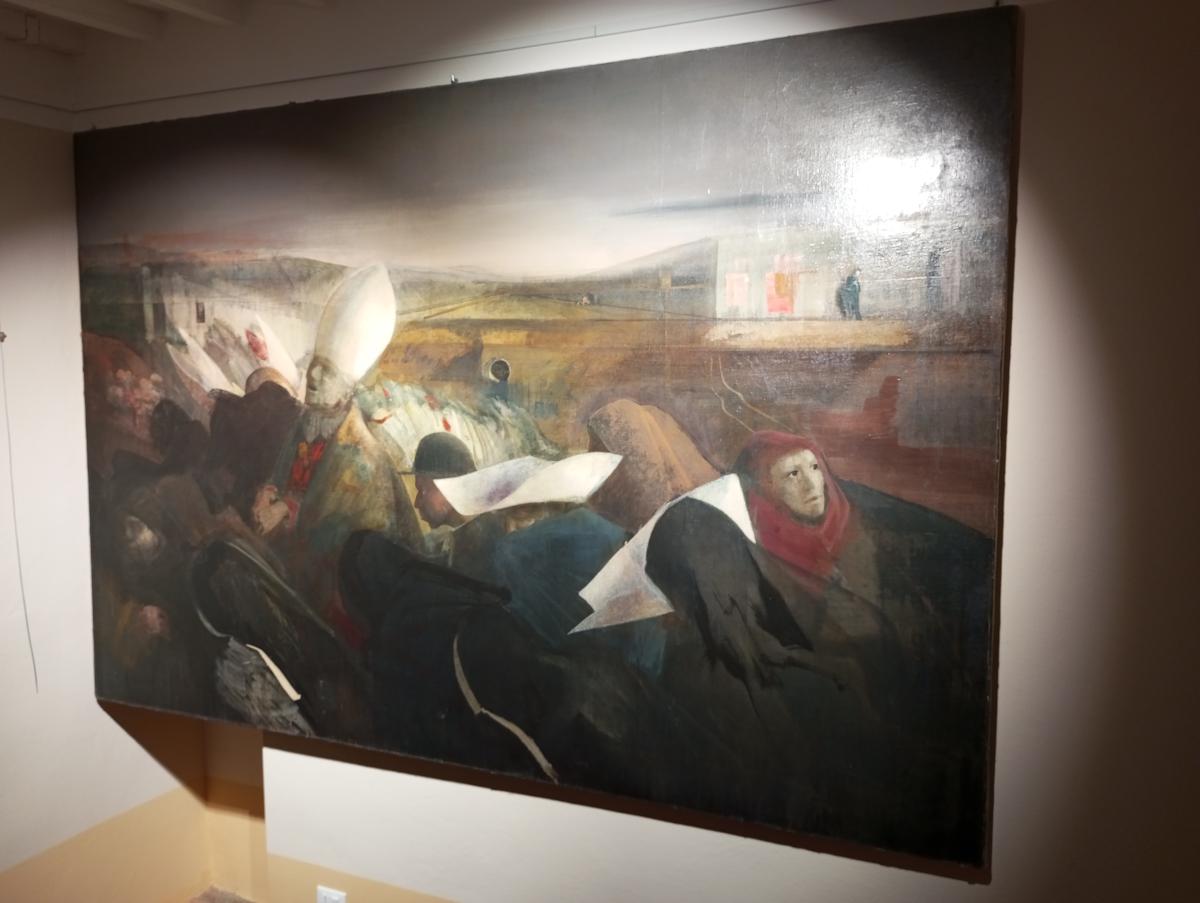
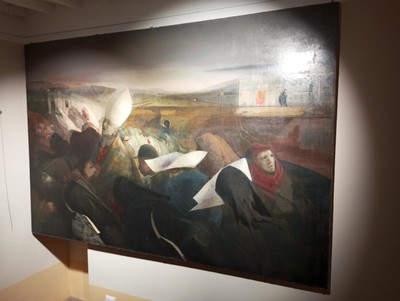
A affliction that plagued Annigoni as an artist but, incredibly, also as a man. ‘Solitude No. 1’, a major work from 1963 measuring two by three metres and forming part of the ‘Solitudes’ cycle (the other two, from 1965 and 1968, are housed at the Annigoni Museum in Florence, in Villa Bardini), occupies an entire wall. Further evidence of Annigoni’s mastery in sculpture can be seen in six bronze works: a ‘Nude Woman’ from 1934 and five medallions
.jpg)
Room 1, First Floor: Frescoes and preparatory studies
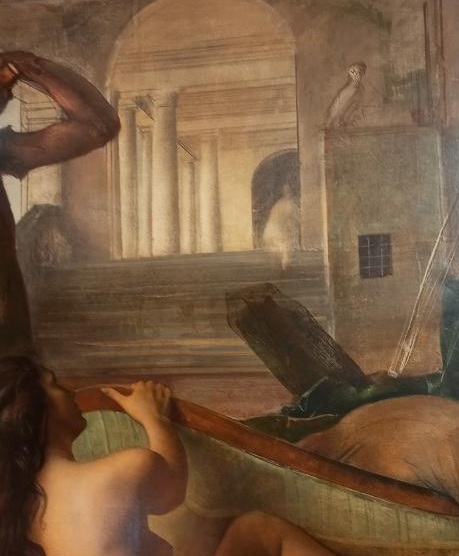
The fresco is an ancient technique of mural painting which Annigoni brought to the fore through large cycles of narrative scenes in important sacred buildings, as well as in private homes in the United States and Italy (see Room 3 on the ground floor). The works on display in this room, all of a religious nature, are much more than preparatory studies for frescoes; they are fully-fledged paintings of great beauty and modernity. Five mixed-media studies for ‘The Glory of St Benedict’ – ideas for the fresco executed in the Abbey of Montecassino. Two mixed-media studies, ‘St Augustine’ and ‘St Thomas or St Ambrose?’ – preparatory works for the frescoes in the church at Ponte Buggianese; the 1976 study for ‘The Resurrection of Lazarus’, a fresco also created for the church at Ponte Buggianese
Room 2, First Floor: Nudes and Still Lifes
This room celebrates the beauty of the human body. Annigoni always adopted the perspective of pure art; therefore, we cannot say that his body of work contains any ugly, vulgar or immoral subjects. ‘Evil lies in the gaze that sees evil around it,’ he said when speaking of his nudes. ‘The Temptations of Saint Anthony’, a mixed-media work on panel from 1982, introduces a series of nudes, comprising both paintings and sculptures (Seated Nude, 1928; Female Nude, 1943; The Harpsichordist, 1972; and gilded bronze sculptures, including ‘The Bathers’). The room is further complemented by the painting ‘Fireworks’ (pastel and oil tempera, 1973); ‘The Rose’ (1983); and ‘Still Life with a Book’ (oil tempera on panel).
Room 3, First Floor: Landscapes, both foreign and Tuscan
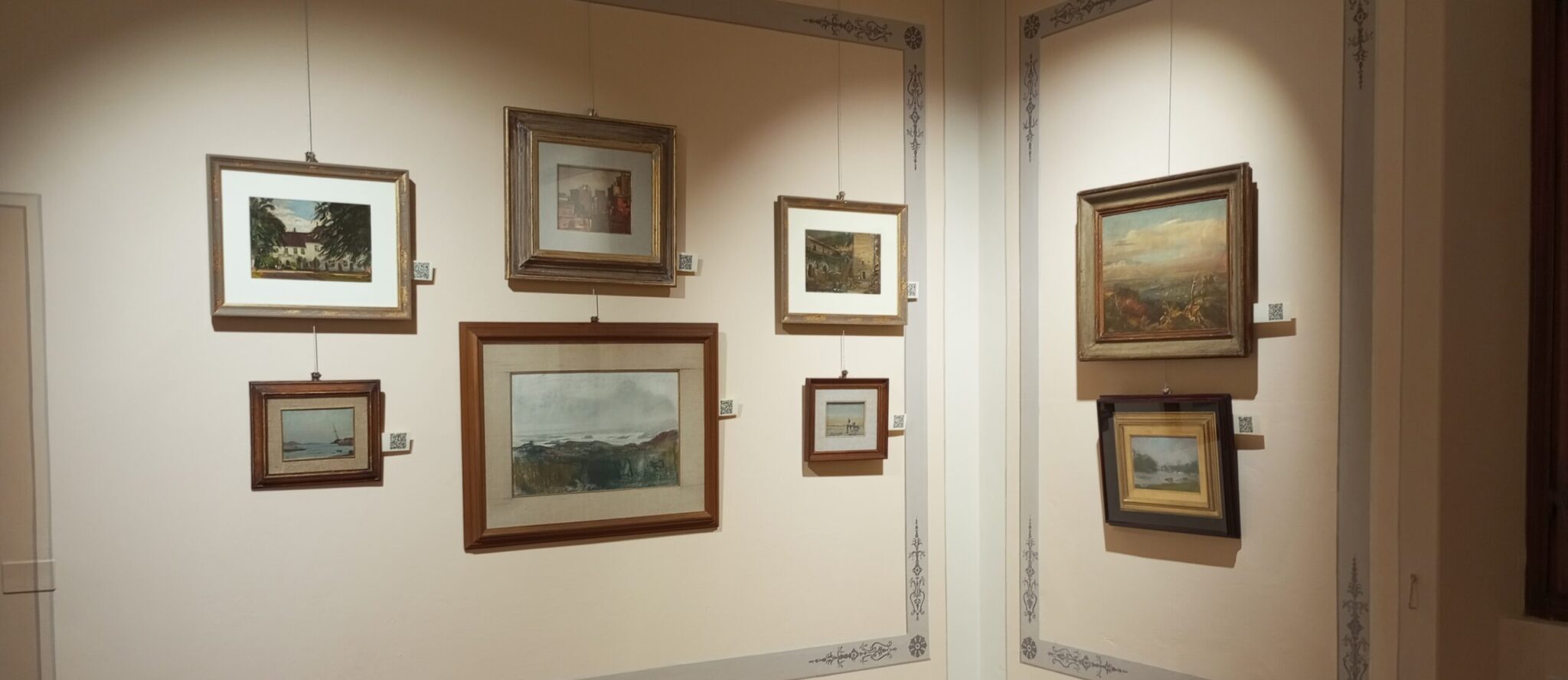
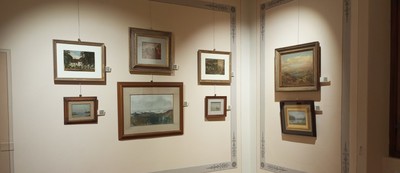
In this room, the focus shifts from the beauty of the human body to the beauty of nature. ‘Faced with the beauty of nature, man is never so cold nor so sated that he cannot find in his heart a tribute of enthusiasm’ (Enrico Stanley). Of particular note is ‘The Great Valley’, dating from 1928/9, as does the entire series of fresh landscape panels
Room 4, First Floor: The Mannequins
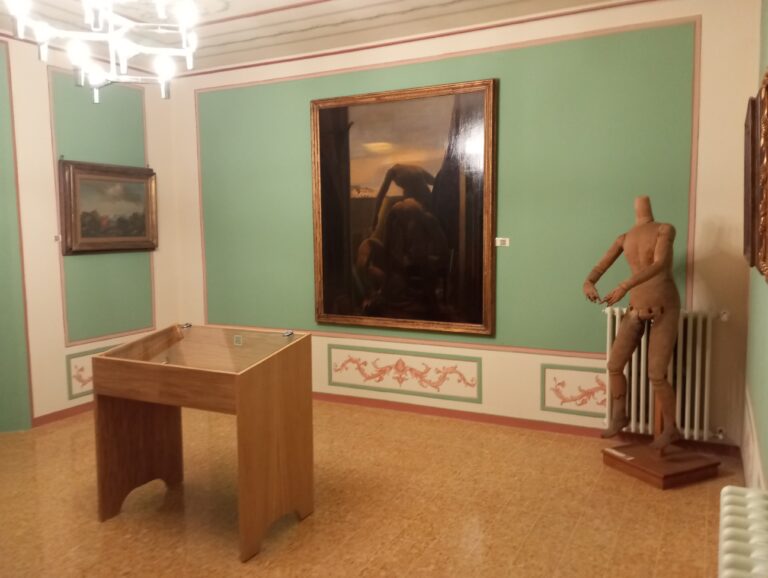
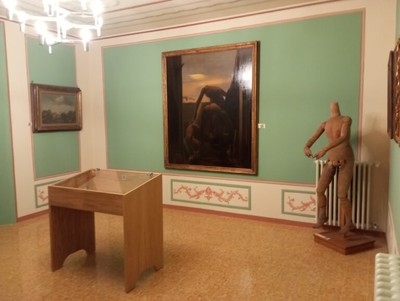
“The mannequin… its fictitious life is nothing more than our fragile reflection on the screen of the unknown…. I regard painting mannequins as a way of reconciling myself with mankind, allowing me to forget them a little, especially when (and all too often) they put on a display of their obtuse and bestial madness” (Annigoni 1978) Around the magnificent oil tempera painting from 1970, “Paralysed Force” ‘Manichini’, also from 1970. The oil tempera ‘Scarecrow’ from 1946 (the scarecrow puppet is itself a mannequin). An allegorical scene. Accompanying the ‘Antella’ plein air painting station is the last work painted by the Master just three days before his death: the painting is still in the paintbox in which Annigoni executed and left it
Room 6, First Floor: The Drama of Life
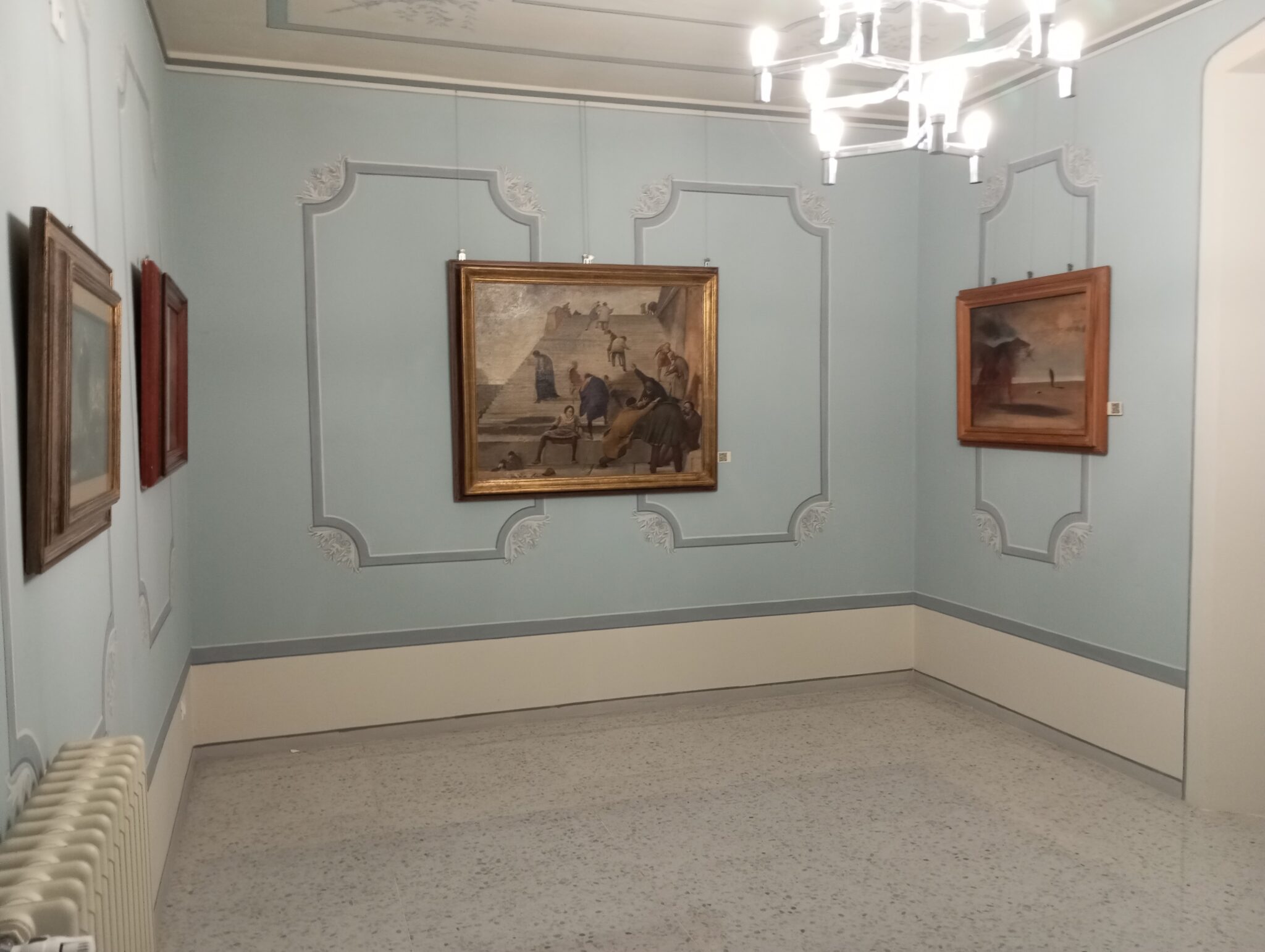
“I have called death the most important event in life. To go through an entire life without ever reflecting deeply on this phenomenon is, in my view, tantamount to failing to understand life” (Pietro Annigoni: interview with Franco Passoni in 1971 on the occasion of the exhibition at the Galleria Levi in Milan) The works in this room embody Annigoni’s philosophy: *The Contemplative* (oil on canvas, 1970s–1980s), *The Wayfarers* (oil on canvas, 1929), *The Staircase* (watercolour on ink, 1933), *Conclusion* (also in mixed media, 1929), *The Old Gives Way to the New* (1971), *Landscape with Figure*, and also a lithograph created following the 1966 Florence flood, depicting the tragic end of a woman trapped in her home as the waters of the Arno rose
WHERE
Villa Gennaioli, Anghiari (AR)
OPENING HOURS
Open every Saturday and Sunday from 10.00 to 13.00 and from 15.00 to 19.00.
In August, also open on Fridays
INFORMATION
Visits are on a drop-in basis, but bookings are recommended for large groups or schools
Guided tours are available by booking
Each artwork is accompanied by a QR code providing in-depth details and interesting facts
Photogallery
-
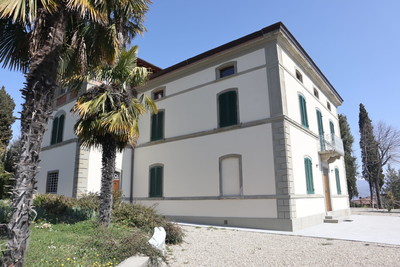 Villa Gennaioli
 -
-
-
-
-
-
-
-
-
-